Zip lining as a family is one of those rare activities that creates the kind of shared memories children talk about for years. The combination of mild risk, big reward, and natural beauty delivers genuine adventure without requiring extreme athletic ability or advanced outdoor skills. But before you load the kids into the car, there’s a lot worth knowing about age requirements, weight limits, safety protocols, and which parks are actually designed with families in mind.
What Age Can Kids Start Zip Lining?
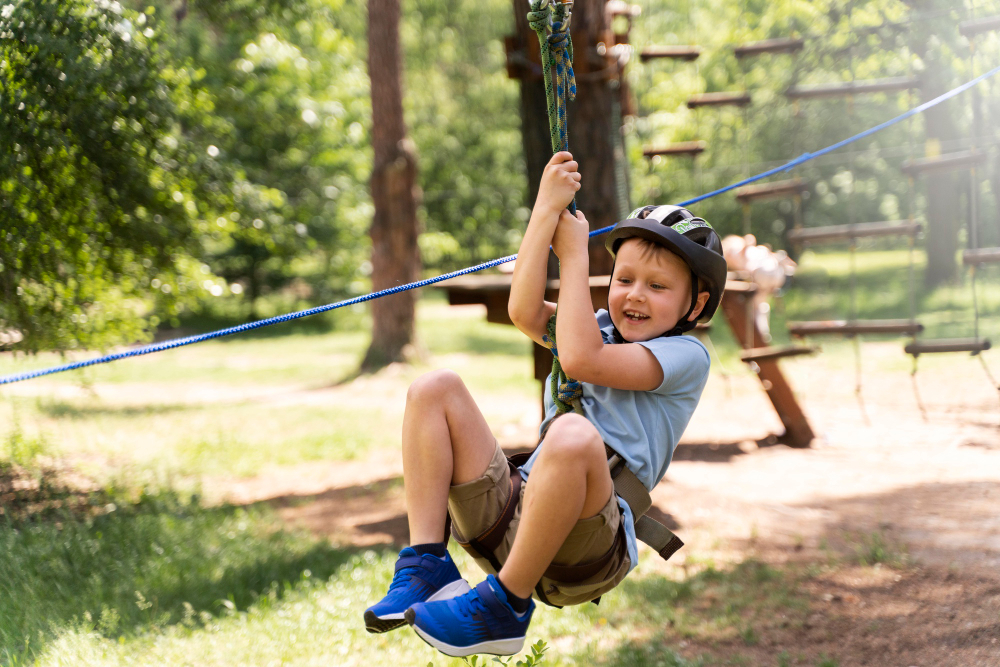
Most zip line operators in the United States set a minimum age of 7 years old for standard courses. Some family-oriented parks have beginner courses for children as young as 4 or 5. The minimum is set not just for safety hardware sizing but also for cognitive readiness — younger children need to understand and follow instructions on platforms at height.
At Zip Brainerd in the Brainerd Lakes Area of Minnesota, the experience is structured to make young adventurers feel confident and safe at every step, with trained guides who specialize in working with families.
Weight Limits: What Every Parent Needs to Know
Almost every zip line operation has both minimum and maximum weight requirements for safety. Minimum weight limits (typically 70–80 lbs) ensure that the braking systems work correctly and that younger, lighter riders don’t move too slowly on certain lines. Maximum weight limits (typically 250–275 lbs) are determined by harness and cable ratings.
Check the specific requirements for your chosen operator before booking — children who are very small for their age may not meet minimum weight requirements regardless of age. This is not a policy that can be waived, as it is a genuine safety parameter.
What Makes a Zip Line “Family-Friendly”?
- Tandem options: the ability for a child to ride with a parent or guide on the same line
- Progressive course design: shorter, lower lines first to build confidence before bigger ones
- Specialized guides: staff trained specifically in working with children and first-time participants
- Age-appropriate gear: child-sized harnesses and helmets that fit correctly
- Manageable platforms: stairs instead of ladders, clearly marked foot placements
- Calm and welcoming atmosphere: no pressure, no rushing, patience built into the program design
Safety Rules Children Must Understand Before the Tour
Every responsible zip line operator provides a thorough safety briefing before the tour begins. Make sure your children understand and can demonstrate these key concepts before clipping in:
- Always wait for the guide’s signal before launching — never self-launch
- Keep both hands on the trolley handle above your head — never reach out or grab the cable
- Keep feet together and slightly forward on landing to absorb impact properly
- Never remove your helmet or unfasten your harness between platforms
- Listen to your guide at all times — they are in charge on the course
For guide-led vs. self-guided options and how they affect the family experience, read our guide on canopy tours vs zip lines and what’s the difference.
Best Family Zip Line Parks in the USA
[TreeTop Quest]: Operating in multiple states, TreeTop Quest’s automated safety systems and dedicated children’s courses (age 4+) make it one of the most kid-friendly aerial adventure operations in the country.
[Zip Brainerd, Minnesota]: Surrounded by the incredible nature of the
[Zip Brainerd, Minnesota]: Surrounded by the incredible nature of the Brainerd Lakes Area, this Minnesota gem offers a beautiful, well-paced family zip experience that connects adventure with nature education.
[Kerfoot Canopy Tour, Henderson, MN]: An excellent guided option for families in Minnesota, with 10 zip lines through forests and wetlands. Guides are experienced in bringing first-time family participants through the course confidently.
[ZipZone Outdoor Adventures, Columbus, OH]: A great day-trip option for Midwest families, with a dedicated family course and staff known for their patience with younger participants.
Preparing Your Kids (and Yourself) for the Experience
Talk to your children about what the experience will be like before you arrive. Describe the harness, the helmet, the platform, and the feeling of the wind. Answer their questions honestly. Kids who arrive with realistic expectations almost always have better experiences than those who are surprised at every step.
Manage anxiety gently — many children (and adults!) feel nervous at the first platform. This is completely normal and something experienced guides handle with skill and patience every day. Tell your child that it’s okay to feel nervous and that the guide will help them when it’s time to go.
What to Wear for the Whole Family
Proper clothing makes the experience more comfortable and safer for every member of your group. Review our detailed guide on what to wear on a zip line adventure — the same rules apply for kids, with the extra note that children’s clothing should be especially snug-fitting since children’s harnesses are smaller and more sensitive to loose fabric.
Making It a Full Family Adventure
A zip line experience pairs perfectly with other outdoor activities. If you’re visiting Brainerd, explore our list of top outdoor activities in Minnesota Lake Country — fishing, canoeing, biking, and beach days round out a perfect family adventure weekend.